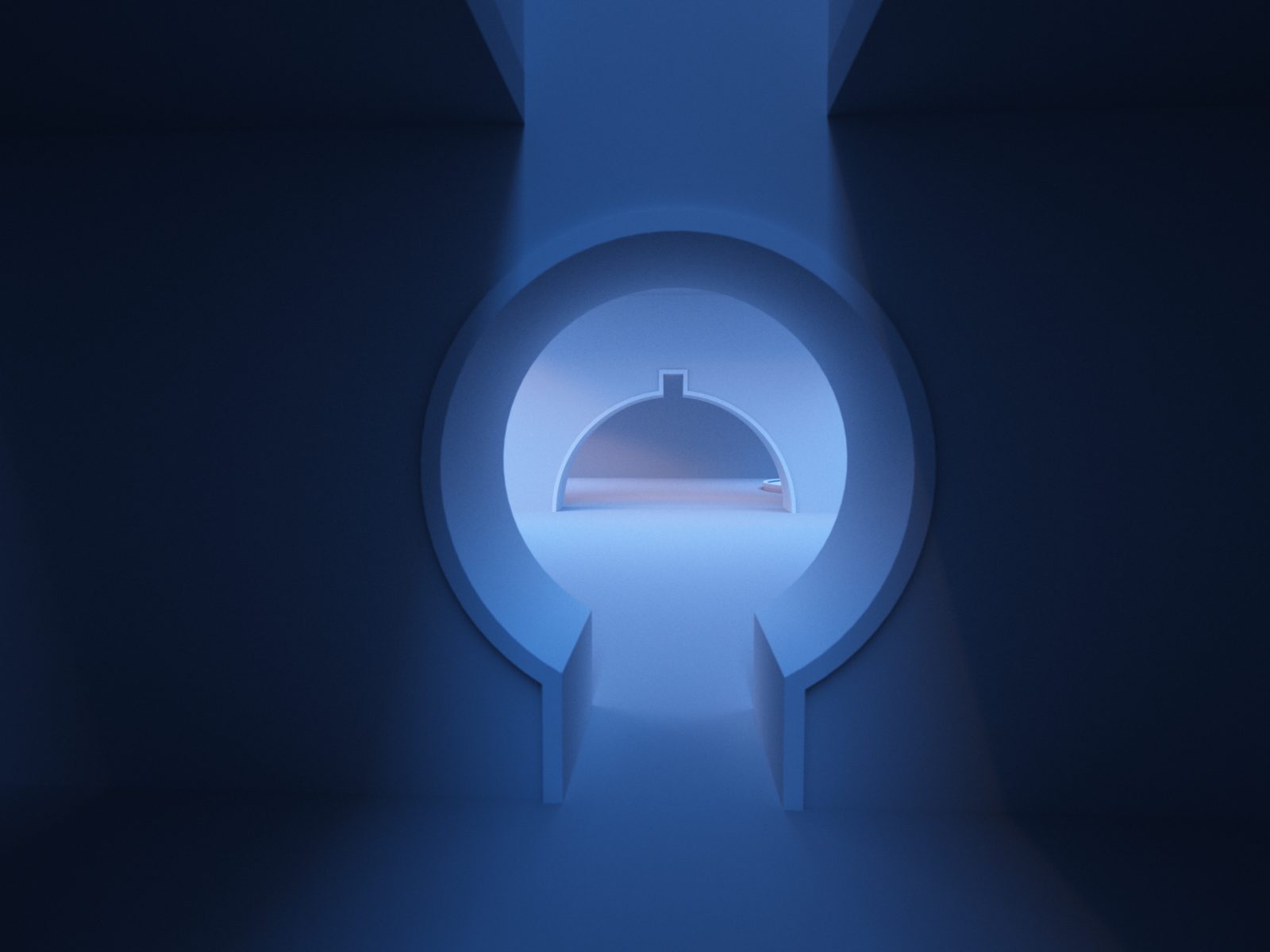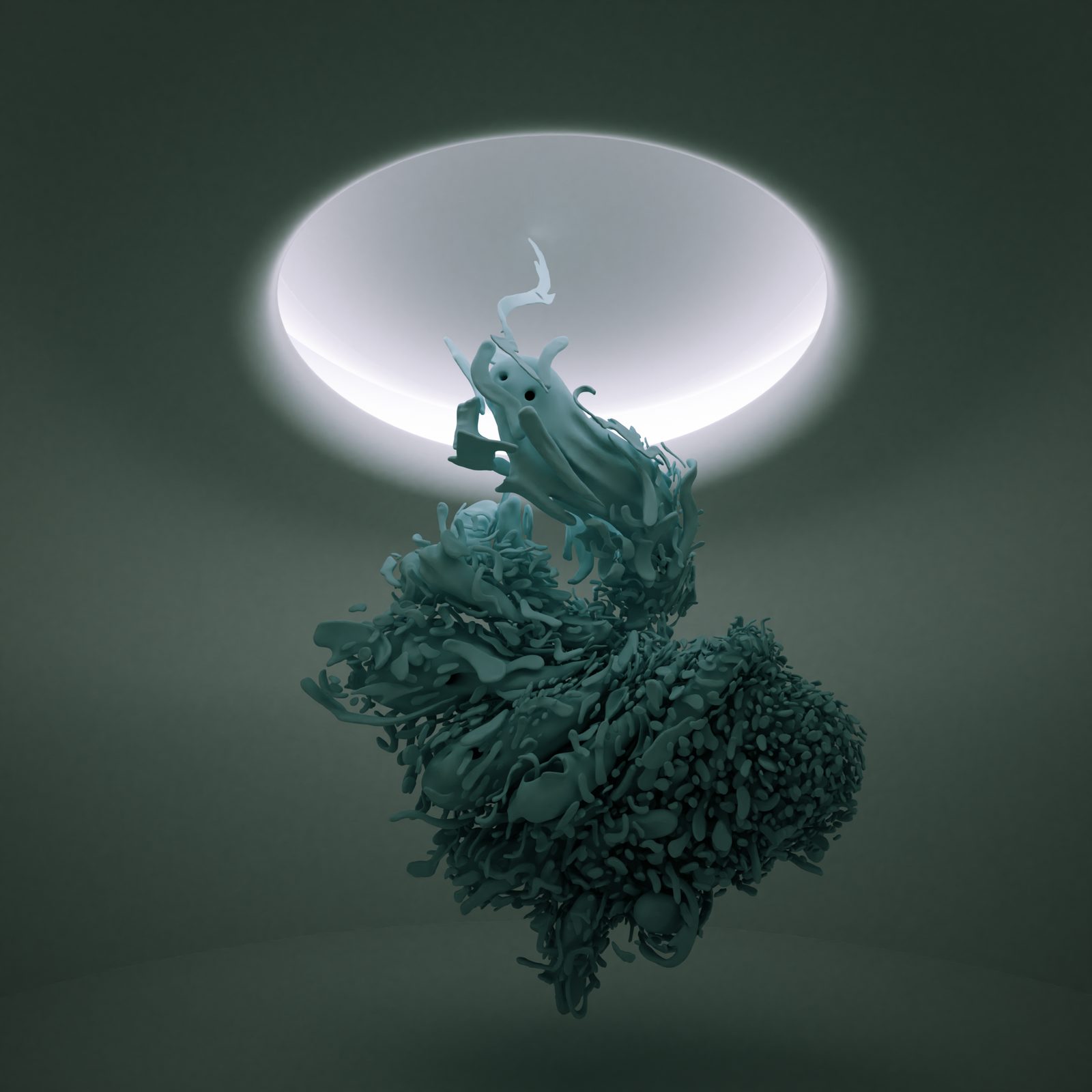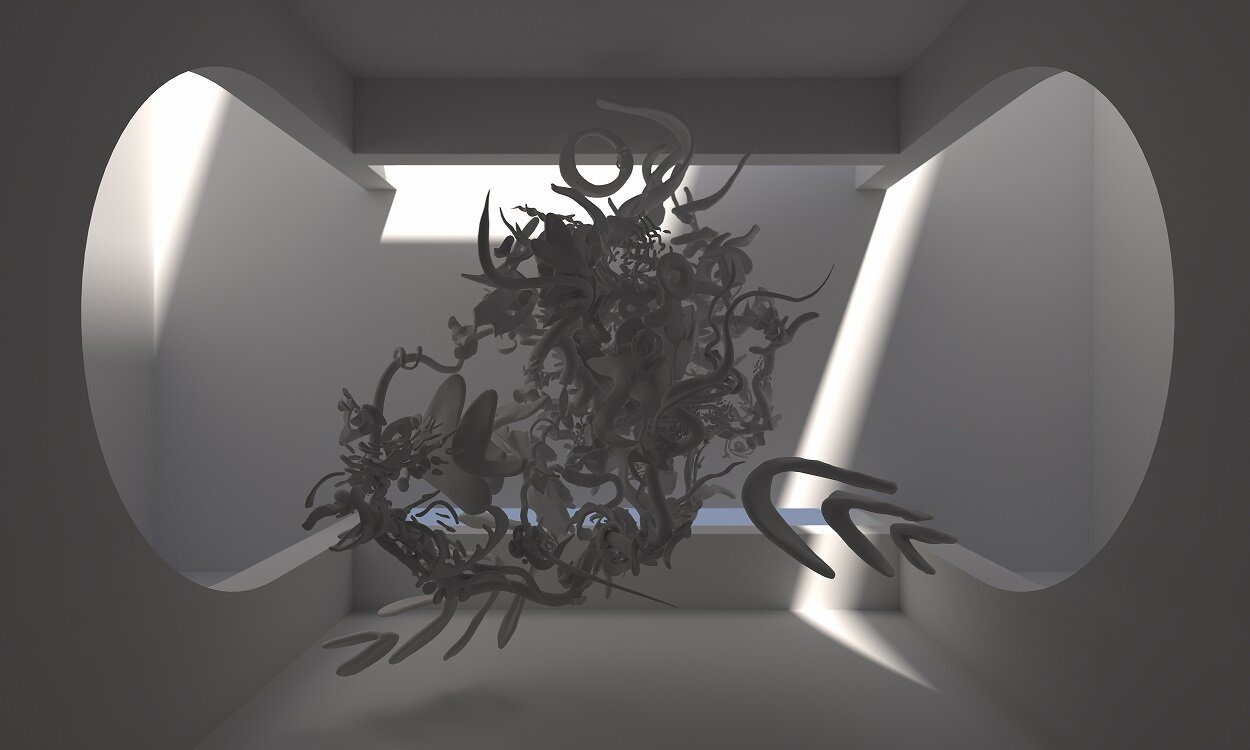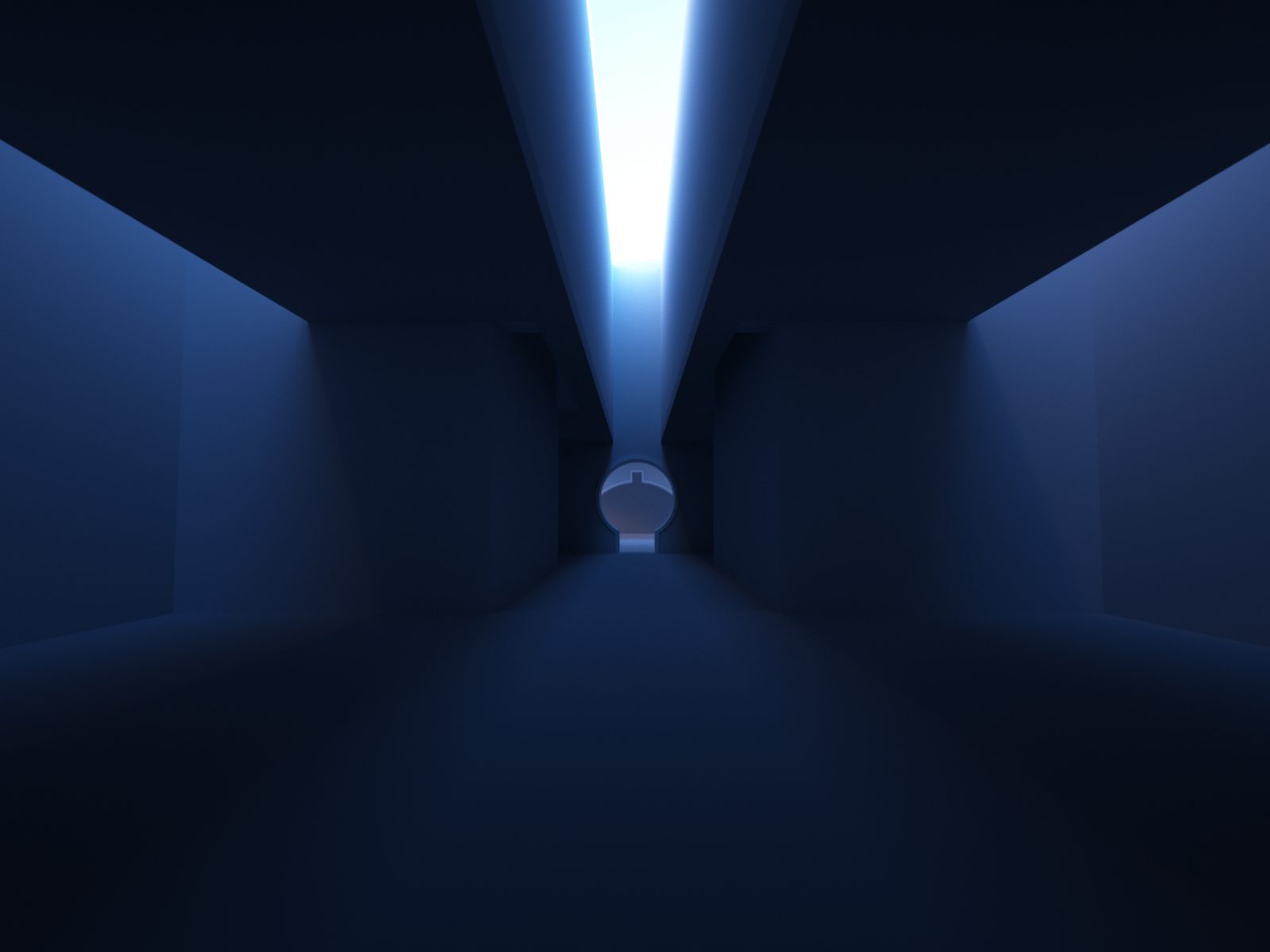
A VR art gallery designed as a machine for photons. Architecture and light in symbiosis, released one room at a time.
Une galerie d'art en réalité virtuelle conçue comme une machine à photons. L'architecture et la lumière en symbiose, dévoilée une salle à la fois.
The Light Gallery is a virtual reality art gallery whose architecture actively shapes the experience of viewing art within it. Every room was built around a single obsession: the behaviour of indirect light. Walls curve, ceilings open, corridors compress and release, all in service of directing, filtering, and amplifying daylight into the gallery spaces.
La Light Gallery est une galerie d'art en réalité virtuelle dont l'architecture façonne activement l'expérience de contemplation des œuvres qu'elle abrite. Chaque salle a été bâtie autour d'une seule obsession : le comportement de la lumière indirecte. Les murs se courbent, les plafonds s'ouvrent, les corridors se resserrent puis se relâchent, tout cela au service de la lumière du jour qu'il s'agit de diriger, de filtrer et d'amplifier dans les espaces de la galerie.
By pre-computing all light at extreme fidelity, the architecture achieves atmospheric conditions that live rendering cannot. Light bounces, scatters, and pools with physical accuracy, producing spatial qualities closer to a Turrell installation than to a digital environment.
En précalculant toute la lumière avec une fidélité extrême, l'architecture atteint des conditions atmosphériques que le rendu en temps réel ne peut égaler. La lumière rebondit, se disperse et s'accumule avec une justesse physique, produisant des qualités spatiales plus proches d'une installation de Turrell que d'un environnement numérique.

The Light Gallery followed a philosophy of slow release. Rather than building the entire gallery at once, each room was designed, sculpted, and lit individually, then released as a standalone experience. The gallery’s architecture grew organically over time, each addition informed by the last.
La Light Gallery a suivi une philosophie de dévoilement lent. Plutôt que de construire la galerie entière d'un seul coup, chaque salle a été conçue, sculptée et éclairée individuellement, puis dévoilée comme une expérience autonome. L'architecture de la galerie s'est développée de façon organique au fil du temps, chaque ajout nourri par le précédent.
Each gallery room is visually isolated from the others, allowing extraordinarily complex artworks to coexist within the larger architecture. The constraints of the virtual medium shaped form as fundamentally as gravity shapes physical buildings.
Chaque salle de la galerie est visuellement isolée des autres, ce qui permet à des œuvres d'une complexité extraordinaire de coexister au sein de l'architecture d'ensemble. Les contraintes du médium virtuel ont façonné la forme aussi fondamentalement que la gravité façonne les bâtiments physiques.
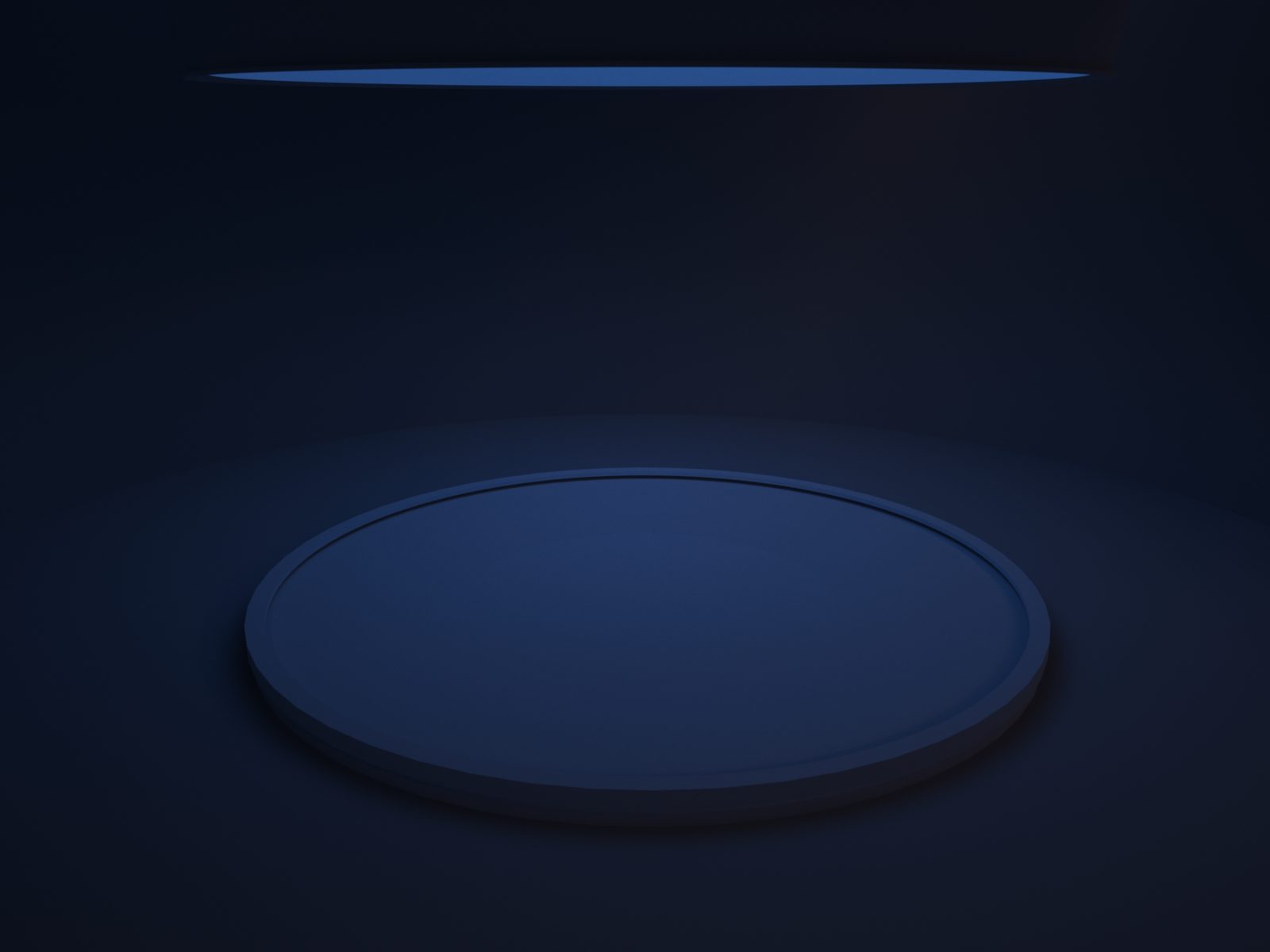
Even a room which must be dark needs at least a crack of light to know how dark it is.
Même une pièce qui doit demeurer dans le noir a besoin d'au moins une fente de lumière pour savoir à quel point elle est sombre.

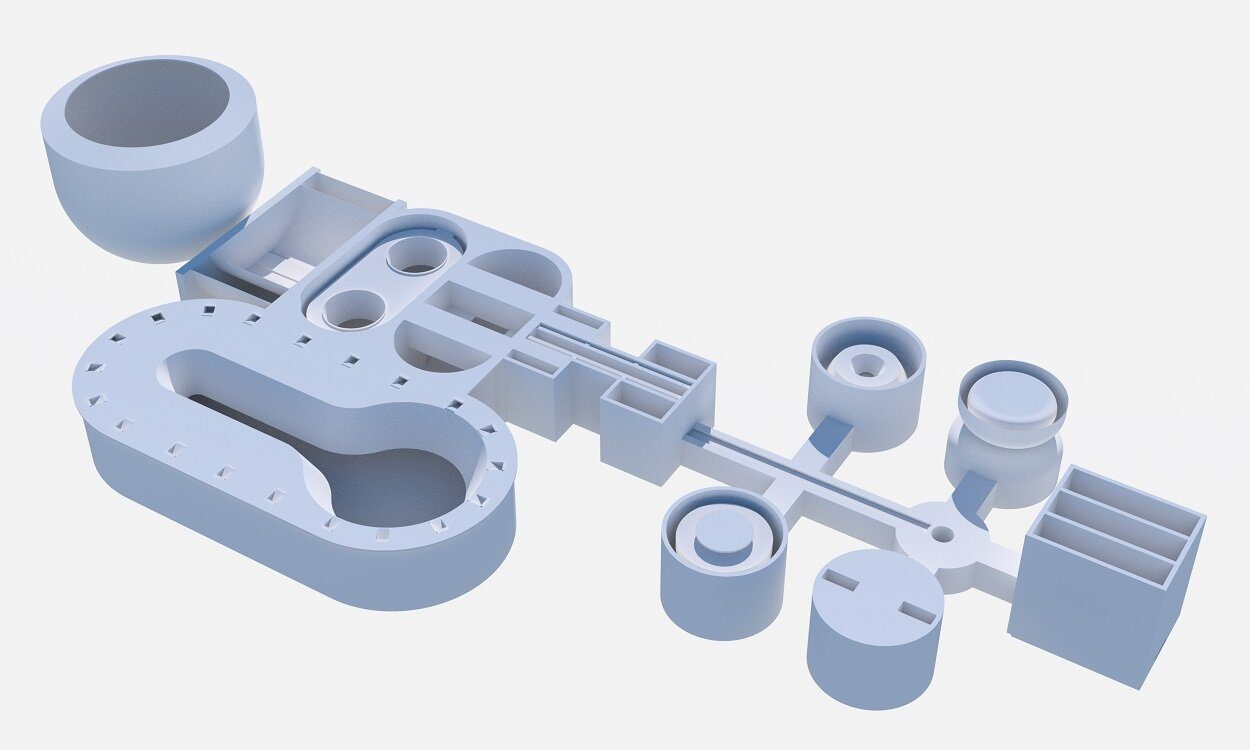
The Light Gallery was designed through a hybrid process: parametric architectural modelling for the rooms, floors, and structural systems, merged with hand-sculpted forms shaped directly in VR. The grand hall, organic transitions, and ceiling forms were all sculpted by hand, then integrated with the modular framework.
La Light Gallery a été conçue selon un processus hybride : une modélisation architecturale paramétrique pour les salles, les planchers et les systèmes structuraux, fusionnée avec des formes sculptées à la main directement en réalité virtuelle. Le grand hall, les transitions organiques et les formes des plafonds ont tous été sculptés à la main, puis intégrés à la trame modulaire.
This approach allowed the gallery to maintain architectural precision where it matters, modular connectivity, proportional systems, structural rhythm, while embracing expressive freedom in the moments that define each room’s character.
Cette approche a permis à la galerie de conserver la précision architecturale là où elle compte, connectivité modulaire, systèmes de proportions, rythme structural, tout en accueillant une liberté expressive dans les moments qui définissent le caractère de chaque salle.
Two rooms were released from the Light Gallery. Each functions as both a standalone VR experience and a component of the larger gallery. The rooms share the same architectural DNA: indirect light as primary material, sculptural ceilings, contemplative scale. Yet each produces a fundamentally different atmosphere through the specific geometry of its light.
Deux salles ont été dévoilées à partir de la Light Gallery. Chacune fonctionne à la fois comme une expérience VR autonome et comme une composante de la galerie plus vaste. Les salles partagent le même ADN architectural : la lumière indirecte comme matériau premier, des plafonds sculpturaux, une échelle contemplative. Pourtant, chacune engendre une atmosphère fondamentalement différente par la géométrie particulière de sa lumière.
The Light Gallery represents a pivotal evolution in Samuel’s practice: the moment when the design of architectural space and the creation of art within it became inseparable. The gallery was an instrument tuned to the behaviour of light, and each room a new experiment in that tuning.
La Light Gallery marque une évolution charnière dans la pratique de Samuel : le moment où la conception de l'espace architectural et la création de l'art qui l'habite sont devenues indissociables. La galerie était un instrument accordé au comportement de la lumière, et chaque salle une nouvelle expérimentation de cet accord.
Indirect light as primary material. Architectural form shaped by the physics of illumination. The contemplative power of sculpted space. These principles eventually grew beyond the gallery format entirely, expanding into the vast organic cave architecture of Gloam.
La lumière indirecte comme matériau premier. La forme architecturale façonnée par la physique de l'éclairage. La puissance contemplative de l'espace sculpté. Ces principes ont fini par déborder complètement le format de la galerie, pour s'épanouir dans la vaste architecture caverneuse et organique de Gloam.